Best for viewers who want a full emotional send-off to a story they have invested in, and who respond to war epics anchored by quiet human moments rather than battlefield noise alone.
Epic Finale
The Lord of the Rings: The Return of the King
The last march to Mordor, and the heaviest burden two hobbits have ever carried.
The war was only the distraction. The real story ends on the mountain.
Editorial Verdict
Why The Lord of the Rings: The Return of the King Is Worth Your Time
Return of the King does something rare for a trilogy closer. It manages the scale of an epic war film while never losing sight of the two hobbits carrying the actual weight of the story. Peter Jackson balances grief, triumph, exhaustion, and relief across three hours and twenty-one minutes, and most of it holds. The endings pile up, yes, but so does the feeling that this world and these people actually mattered.
The Pelennor Fields battle is one of the clearest examples of scale done right. It is not just big because there are more people on screen. It is big because every charge, every horn blast, and every loss lands with actual weight. When the Rohirrim crest the ridge at dawn, the moment works because the film has already shown you who is riding over that hill.
Viggo Mortensen brings a quiet exhaustion to Aragorn that makes his coronation feel earned rather than inevitable. This is not a prince stepping into a throne because it was always his right. This is a man who walked into responsibility he spent years avoiding and finally accepted what the role actually costs.
Why This Movie Works
- The film delivers one of the clearest examples of a trilogy closer earning its emotional weight. Every death, every reunion, and every sacrifice feels connected to something built across three films rather than manufactured for the finale.
- Howard Shore's score does heavy lifting throughout the entire runtime. The recurring themes for the Shire, the Ring, and individual characters create an audio architecture that ties every scattered plot thread together.
- Sean Astin's performance as Samwise Gamgee carries the emotional center of the trilogy. His "I can't carry it for you, but I can carry you" moment is not manipulative. It is the payoff of three films of earned loyalty.
Where It Falls Short
- The multiple endings are the most debated part of the film for a reason. After the emotional peak of the Ring destruction, the story takes its time winding down, and some viewers feel the momentum drop.
- Viewers who have not seen the first two films will find this almost impossible to fully engage with. It functions as a closer, not as a standalone entry, which limits its accessibility.
Movie Guide
What To Know Before Watching The Lord of the Rings: The Return of the King
This section combines verified production facts with original editorial context so the page works as a viewing guide for readers approaching the trilogy closer.
Official Synopsis
Gandalf and Aragorn lead the armies of the free peoples in a desperate march on the Black Gate to draw Sauron's gaze away from Frodo and Sam. Deep inside Mordor, the two hobbits push toward Mount Doom with the One Ring, their strength failing as the Dark Lord's power closes in. Every faction moves toward the same collision point. The war is a distraction. The real battle is two exhausted hobbits and a burden neither of them should carry alone.
The synopsis outlines the war and the Ring quest, but the real story here is about exhaustion, loyalty, and the cost of carrying something that was never meant for one person alone.
That is where this film separates itself from a standard action closer. The battle outside the Black Gate is enormous, but the emotional center sits on the slopes of a volcano with two hobbits who have walked further than anyone asked them to.
Source: New Line Cinema, WingNut Films, Academy Awards records, and supporting factual references for this review
Why This Movie Stands Out
Return of the King faces a structural problem most films never deal with. It needs to end one story, pay off two other films, and still give the audience a complete emotional arc on its own. Jackson handles this by splitting the film into two parallel tracks: the massive war outside and the quiet collapse inside Mordor.
The Pelennor Fields battle is one of the clearest examples of scale done right. It is not just big because there are more people on screen. It is big because every charge, every horn blast, and every loss lands with actual weight. When the Rohirrim crest the ridge at dawn, the moment works because the film has already shown you who is riding over that hill.
The Frodo and Sam thread is the real achievement here. A lesser film would have made the war the climax and treated the Mount Doom sequence as a side mission. Jackson and his writers understand that the battle is noise and the mountain is the story. Every soldier at the Black Gate is buying time for two hobbits who cannot fight.
Gollum's role in the ending deserves recognition. The Ring is not destroyed by a hero pulling it from the fire. It is destroyed because Gollum, consumed by his own obsession, falls with it. That is a darker, more honest ending than the clean victory most blockbusters offer. The evil defeats itself through its own hunger.
Viggo Mortensen brings a quiet exhaustion to Aragorn that makes his coronation feel earned rather than inevitable. This is not a prince stepping into a throne because it was always his right. This is a man who walked into responsibility he spent years avoiding and finally accepted what the role actually costs.
The film handles grief with more honesty than most fantasy entries. Boromir's death lands. Theoden's final moments carry weight. And the Shire sequence, often cut or shortened in discussions of the film, is essential because it shows the quiet devastation of coming home after something that changed you fundamentally.
Eleven Academy Awards sounds like excess until you look at what they were for. Visual effects, sound mixing, film editing, art direction, costume design, makeup, original score, original song, adapted screenplay, director, and Best Picture. This is not a film that won because it was popular. It won because every craft department delivered at the highest level.
The $94 million budget for all three films shot back-to-back remains one of the most efficient productions in modern blockbuster history. That Return of the King grossed over $1.1 billion worldwide is almost secondary to the fact that it looks like a film that cost triple its actual price tag.
Deep Dive
What The Lord of the Rings: The Return of the King Is Really Doing
This is where the film stops being about whether Sauron gets defeated and starts being about what happens to people who survive something that was supposed to break them. The war ends. The Ring is destroyed. And then the hardest part begins.
The Emotional Center
Return of the King faces a structural problem most films never deal with. It needs to end one story, pay off two other films, and still give the audience a complete emotional arc on its own. Jackson handles this by splitting the film into two parallel tracks: the massive war outside and the quiet collapse inside Mordor.
Howard Shore's score does heavy lifting throughout the entire runtime. The recurring themes for the Shire, the Ring, and individual characters create an audio architecture that ties every scattered plot thread together.
Why The World Feels Distinct
The film delivers one of the clearest examples of a trilogy closer earning its emotional weight. Every death, every reunion, and every sacrifice feels connected to something built across three films rather than manufactured for the finale.
Gollum's role in the ending deserves recognition. The Ring is not destroyed by a hero pulling it from the fire. It is destroyed because Gollum, consumed by his own obsession, falls with it. That is a darker, more honest ending than the clean victory most blockbusters offer. The evil defeats itself through its own hunger.
The film handles grief with more honesty than most fantasy entries. Boromir's death lands. Theoden's final moments carry weight. And the Shire sequence, often cut or shortened in discussions of the film, is essential because it shows the quiet devastation of coming home after something that changed you fundamentally.
Where Some Viewers May Pull Back
The multiple endings are the most debated part of the film for a reason. After the emotional peak of the Ring destruction, the story takes its time winding down, and some viewers feel the momentum drop.
Viewers who have not seen the first two films will find this almost impossible to fully engage with. It functions as a closer, not as a standalone entry, which limits its accessibility.
Best for viewers who want a full emotional send-off to a story they have invested in, and who respond to war epics anchored by quiet human moments rather than battlefield noise alone.
Official Trailer
Watch The Lord of the Rings: The Return of the King Trailer
Visuals
Scenes, Atmosphere, And Key Visuals
These images keep the page close to the movie itself, not just to a text summary.
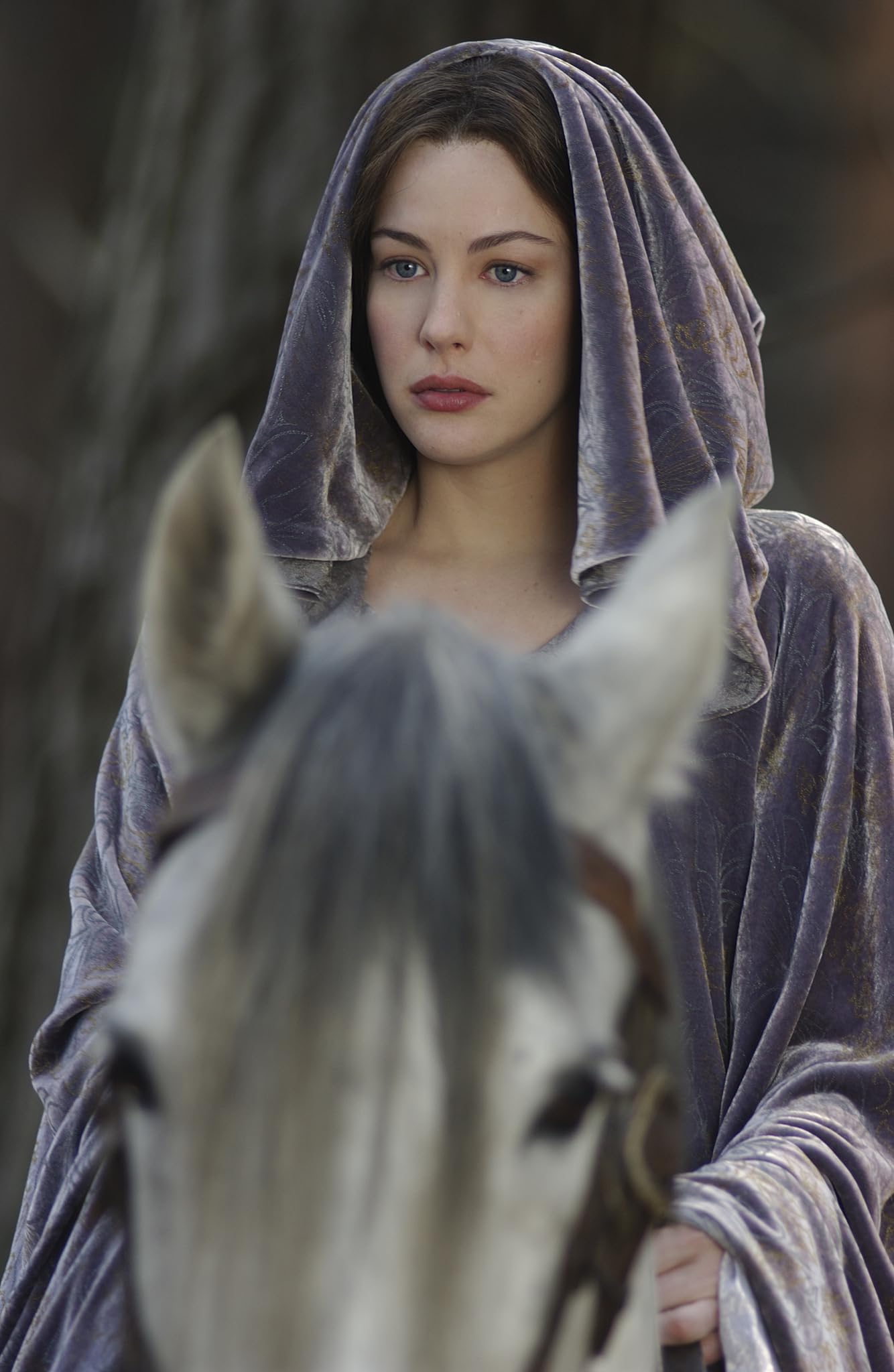
Main Cast
The ensemble carries fifteen credited performers across the trilogy, but this final entry gives several of them their most important moments. The cast matters because the story depends on feeling these characters as real people, not fantasy archetypes.
- Elijah Wood
- Ian McKellen
- Viggo Mortensen
- Sean Astin
- Andy Serkis
- Orlando Bloom
- John Rhys-Davies
- Billy Boyd
- Dominic Monaghan
- Miranda Otto
Awards And Recognition
Return of the King made history with eleven Academy Awards, matching the record held by Ben-Hur and Titanic. The sweep was not a fluke. Every technical and creative category it won reflects genuine craft work.
- 11 Academy Awards including Best Picture, Best Director, Best Adapted Screenplay
- Tied the all-time record for most Oscars won by a single film (Ben-Hur, Titanic)
- Best Original Score (Howard Shore), Best Original Song (Into the West)
- Best Visual Effects, Best Sound Mixing, Best Film Editing
FAQ
Questions Readers Usually Have
These questions focus on the things readers usually want answered before committing to a three-hour-plus fantasy epic: runtime, intensity, viewing order, and whether the ending delivers on the trilogy promise.
Is Return of the King the final Lord of the Rings film?
Yes. It is the third and final film in Peter Jackson's Lord of the Rings trilogy, adapting the last volume of J.R.R. Tolkien's novel. The Hobbit trilogy is a separate prequel series.
How long is The Return of the King?
The theatrical runtime is 3 hours and 21 minutes. An extended edition exists with additional footage, running closer to 4 hours and 11 minutes.
Do I need to watch the first two films before this one?
Strongly recommended. This film is designed as the conclusion of a three-part story. Watching it without Fellowship of the Ring and The Two Towers will leave most of the emotional impact inaccessible.
What is the age rating and is it intense for younger viewers?
It is rated PG-13 for intense epic fantasy battle violence and some frightening images. The battle sequences are large-scale and can be overwhelming for children, but the film avoids graphic gore.
Did Return of the King really win 11 Oscars?
Yes. It won every single Academy Award it was nominated for, including Best Picture, Best Director, and Best Adapted Screenplay. It tied the all-time record shared by Ben-Hur and Titanic.
Who directed and wrote the screenplay?
Peter Jackson directed all three Lord of the Rings films. The screenplay was written by Fran Walsh, Philippa Boyens, and Peter Jackson, adapting J.R.R. Tolkien's novel.
Where was the trilogy filmed?
All three films were shot back-to-back in New Zealand, which served as the visual foundation for Middle-earth. The landscapes became inseparable from the identity of the films.
Why does the ending feel so long?
The film has multiple resolution points after the Ring is destroyed. Some viewers find this satisfying because it gives closure to every character. Others feel it extends past the natural emotional peak. Both reactions are fair.
Is it better than the other two Lord of the Rings films?
That depends on what you value. Fellowship has the advantage of first-time discovery. Two Towers has the tightest battle structure. Return of the King has the most emotional payoff. The trilogy works because each film does a different job.